Baku (Turkiya News): In Azerbaijan, monetary factors such as money supply, bank credit, and allocation of financial resources to the real sector play a key role in shaping the UDM (GDP) growth, according to a recent study.
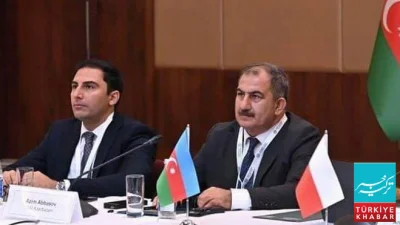
The research, conducted by Azim Abbasov, Head of the Department of State Revenue and Economic Sectors Audit at Hasablama Palata and an economic expert, was published in the “Audit” journal.
Abbasov emphasized that increasing money supply alone does not guarantee economic growth, and improper management can heighten inflation risks. He noted:
"If money supply is not aligned with real sector output, financial resources largely flow toward consumption and imports, causing price increases, reducing real incomes, and slowing economic growth."
The study also highlighted the growing role of the banking sector. Directing bank credit toward production and investment accelerates UDM growth, while credit primarily used for consumption may threaten economic stability.
Abbasov stressed that coordinating monetary policy with fiscal policy, maintaining an appropriate money supply, and structuring the credit system to meet the real sector’s needs are essential for sustainable economic development.
The findings conclude that a balanced monetary policy can help control inflation, maintain financial stability, and ensure long-term economic growth.